









A gum infection after root canal treatment can feel confusing, especially when you expect relief after treatment. Most people undergo a root canal procedure to remove infection and protect the natural tooth, so noticing pain or swelling afterwards can raise questions.
While root canal treatment is designed to remove infected tissue and restore dental health, an infection can still occur in some cases. Understanding why this happens and what it means for your oral health can help you respond early and avoid further complications.
This guide explains the causes, warning signs, and next steps if a gum infection develops after root canal therapy, using simple and clear information.
What A Root Canal Is Designed To Do
A root canal is a dental procedure used to manage infection within a tooth.
It involves removing damaged or infected dental pulp from within the tooth structure.
Inside every tooth is a soft centre containing nerves and blood vessels. When tooth decay or damage allows harmful bacteria to enter this space, infection can develop.
How Root Canal Treatment Works
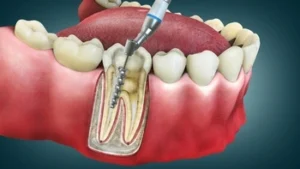 During root canal treatment, the dentist:
- Removes infected tissue from the inner part of the tooth
- Cleans and shapes the root canals
- Seals the space with a root canal filling
- Protects the tooth with a permanent restoration such as a dental crown
This process is designed to relieve pain, control bacterial spread, and preserve the natural tooth wherever possible.
Most people who have undergone root canal treatment experience relief from severe tooth pain once the infection is removed.
Why A Gum Infection After Root Canal Can Happen
Even after a carefully completed root canal procedure, a gum infection after root canal can still develop in certain cases.
When Infection Occurs Again
In some situations, infection occurs because bacteria remain or return to the treated area. This may involve the root of the tooth or the surrounding tissues.
A root canal infection may develop in situations such as:
- Tiny canals inside the tooth root were not fully cleaned.
- New bacteria enter the tooth due to leakage.
- The tooth was not fully restored with a permanent crown.
- Cracks or damage expose the inner tooth again.
These factors can allow harmful bacteria to affect the surrounding gum tissue and the bone around the tooth.
Signs Of Infection After A Root Canal
Recognising the signs of infection early can make a meaningful difference in how the situation is managed.
Common Warning Signs
Common signs of infection following a root canal may include:
- Ongoing pain or discomfort in the affected tooth
- Swelling in the surrounding gum tissue area
- A bad taste in the mouth
- Sensitivity when biting or chewing
- Redness around the gum tissue
- Occasional discharge from the area
In some cases, patients may also notice severe pain or a return of severe tooth pain similar to what they experienced before the initial treatment.
Why These Symptoms Matter
These warning signs suggest that healing may not be progressing as expected. If left untreated, the infection may spread to the surrounding bone or nearby teeth.
Early detection supports timely treatment and helps lower the risk of further complications.
How Infection Affects The Surrounding Area
When an infected root canal develops, it can affect more than just the tooth itself.
Impact On Surrounding Tissues
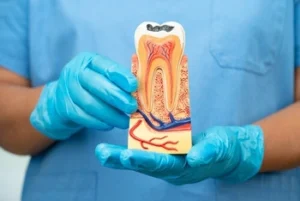 The infection may spread beyond the tooth root into the surrounding gum tissue and the bone surrounding the tooth.
This can lead to:
- Inflammation of the periodontal ligament
- Changes in the surrounding bone
- Early stages of bone loss
In some cases, swelling may extend into nearby areas, depending on the location of the affected tooth.
Treatment Options For A Gum Infection After Root Canal
The most suitable approach depends on the cause and severity of the infection.
Root Canal Retreatment
Root canal retreatment is often the first step if the original treatment did not fully resolve the infection.
During this process:
- The previous root canal filling is removed.
- The canals are cleaned again.
- Remaining infected tissue is addressed.
- A new seal is placed.
This allows the dentist to target areas that may have been missed during the initial treatment.
Additional Procedures
In some situations, further dental procedure options may be considered if retreatment is not suitable.
Tooth Extraction
If the tooth cannot be saved, tooth extraction may be required. This option is usually considered only when other forms of professional treatment are not effective.
The Role Of Oral Health And Hygiene
Maintaining excellent oral hygiene plays a key role in supporting recovery and preventing future infections.
Daily Habits That Support Healing
After root canal therapy, good oral care can help protect the treated tooth and surrounding tissues.
This includes:
- Brushing regularly to remove harmful bacteria
- Cleaning between teeth to support gum health
- Following the advice provided during post-root canal care
Maintaining excellent oral hygiene supports the immune system and helps reduce the chance of reinfection.
How The Healing Process Should Progress
Following a root canal procedure, the healing process generally involves gradual improvement.
What Is Considered Normal
Mild discomfort or sensitivity is common in the early days following treatment. This usually improves as the tooth adjusts.
The surrounding gum tissue and the bone surrounding the tooth begin to recover once the infection is controlled.
When Healing May Be Delayed
If symptoms such as persistent pain or swelling continue beyond the expected recovery period, this may suggest that further assessment is needed.
How To Reduce The Risk Of Future Infections
While not all cases can be prevented, certain steps may help reduce the likelihood of a gum infection after a root canal.
Practical Prevention Steps
- Attend follow-up appointments after treatment.
- Complete any recommended permanent restoration.
- Maintain good oral hygiene habits.
- Address dental problems early before they worsen.
Early detection of issues helps prevent more serious concerns from developing.
How Long Should Symptoms Last After A Root Canal?
After a root canal procedure, it is normal to notice some changes as the tooth and surrounding tissues begin to settle. Understanding how long symptoms should last can help you tell the difference between expected healing and signs that need further attention.
In the first few days following treatment, mild discomfort or sensitivity is common. This can include slight tenderness when biting or a dull ache around the affected tooth. These sensations are part of the healing process and usually improve within a few days to a week.
Some people may notice that the surrounding gum tissue feels slightly irritated or sensitive during this time. This is often linked to the dental procedure itself rather than an ongoing infection.
As the days pass, symptoms should gradually reduce. The tooth adjusts to the root canal filling, and the surrounding tissues continue to recover. By the end of the first one to two weeks, most patients notice a clear improvement.
However, there are situations where symptoms last longer than expected. If discomfort remains unchanged, becomes more noticeable, or shifts into persistent pain, it may indicate that the healing process is not progressing as it should.
Timing is important here. Mild symptoms that steadily improve are usually part of normal recovery. In contrast, symptoms that remain the same or worsen over time may suggest an underlying issue, such as a root canal infection or a problem with the initial treatment.
Paying attention to this pattern can help guide your next steps. If symptoms do not settle within a reasonable timeframe or begin to feel different from early recovery discomfort, it is worth arranging a review with a dentist.
What Infection Pain Feels Like Compared To Normal Healing
One of the most common concerns after root canal treatment is understanding what the pain actually means. Not all discomfort indicates a problem, and knowing how infection-related pain differs from normal healing can help you respond appropriately.
Pain during normal healing is often described as mild to moderate. It may feel like pressure around the tooth or slight sensitivity when chewing. This type of discomfort tends to be predictable and gradually improves as the tooth adjusts.
In contrast, pain linked to an infected root canal can feel different in both intensity and pattern. It may present as a deeper, more constant sensation rather than occasional sensitivity. Some patients describe it as a throbbing feeling that does not settle with time.
Another difference is how the pain behaves. Healing-related discomfort usually fades, while infection-related pain may stay the same or increase. In some cases, it may return after a period of improvement.
Additional sensations can also provide clues. Infection may be accompanied by swelling in the surrounding gum tissue, a bad taste in the mouth, or tenderness that spreads beyond the affected tooth. These signs often point to ongoing inflammation in the surrounding tissues.
It is also important to consider how the tooth responds to pressure. During normal healing, biting may feel slightly uncomfortable but manageable. With infection, the tooth may feel more sensitive, and even light pressure can create noticeable discomfort.
Understanding these differences can make it easier to recognise when something is not following the expected recovery pattern. If the pain feels stronger, more persistent, or different from early healing discomfort, it may be worth seeking professional advice to assess the situation.
Why Does The Gum Swell Instead Of The Tooth Hurting?
It can be surprising when swelling appears in the gum instead of pain being felt directly in the tooth. Many people expect an infected tooth to cause clear tooth pain, but this is not always how a gum infection after a root canal presents.
 After root canal treatment, the inner nerve of the tooth has been removed. This means the tooth may no longer send strong pain signals in the same way it did before treatment. As a result, changes in the area are sometimes noticed more in the surrounding gum tissue than in the tooth itself.
When a root canal infection develops, pressure can build near the root tip of the tooth. The body may respond by allowing this pressure to move toward the surrounding gum tissue. This can lead to visible swelling or a small raised area on the gum, rather than sharp or severe tooth pain.
In some cases, this swelling acts as a pathway for the body to release irritation from the affected area. Because of this, the discomfort may feel more localised to the gum rather than deep inside the tooth.
Even though the pain may be less noticeable, swelling in the gum is still one of the important warning signs of infection. If it appears or does not improve, it is a good idea to have it checked to understand what is happening beneath the surface.
Final Thoughts On Gum Infection After Root Canal
A gum infection after a root canal does not always mean that treatment has failed completely, but it does indicate that further assessment is needed.
Understanding the possible causes, recognising warning signs, and seeking prompt treatment can help manage the situation effectively.
Root canal therapy is designed to protect a natural tooth and restore dental health. When complications occur, timely care can support recovery and reduce the risk of long-term damage.
If you are concerned about ongoing pain or signs of a gum infection after root canal, or would like support with restoring comfort and protecting your tooth, you can book a consultation with us at Complete Dental or contact our locations.
- Coorparoo: 07 3801 6503
- Elanora: 07 5235 8199
Note: Any surgical or invasive procedure carries risks. Before proceeding, you should seek a second opinion from an appropriately qualified health practitioner.
Resources
“Cleveland Clinic (2025). ‘Sensitive Teeth’. Cleveland Clinic, 3 July. Cleveland, OH: Cleveland Clinic. https://my.clevelandclinic.org/health/symptoms/10954-teeth-sensitivity”
“Gadhia, A. & Pepper, T. (2023). ‘Oral Surgery, Extraction Of Teeth’. StatPearls Publishing, 1 June. Treasure Island, FL: StatPearls Publishing. https://www.ncbi.nlm.nih.gov/books/NBK589654/”
“Colgate (2023). ‘What Is Good Oral Hygiene?’. Colgate, 9 January. New York, NY: Colgate-Palmolive Company. https://www.colgate.com/en-us/oral-health/adult-oral-care/what-is-good-oral-hygiene”
“Healthdirect Australia (2025). ‘Root Canal Treatment’. Healthdirect Australia, February. Australia: Healthdirect Australia. https://www.healthdirect.gov.au/root-canal-treatment”