









When preparing for dental implant surgery, many patients are surprised to learn that timing is one of the most important factors in achieving a stable, long-lasting result. If you have lost a tooth, dealt with gum disease, or noticed considerable bone thinning, your dentist may advise having a dental bone graft before proceeding with implant placement. While this step creates a solid foundation for the implant fixture, the waiting period between the bone graft procedure and the actual implant treatment can vary widely from one person to another.
Understanding the maximum time between bone graft and dental implant helps you make informed decisions, reduce the risk of implant failure, and ensure your new smile has the best possible chance to thrive. This guide explores the healing process, what affects timing, and why waiting too long can impact implant success.
Understanding Why Bone Grafting Is Sometimes Necessary
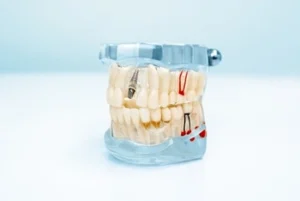 Before exploring the ideal timing between a bone graft and a dental implant, it helps to understand why bone grafting may be required in the first place.
Bone loss can occur for many reasons, including tooth extraction, periodontal disease, underlying infection, or natural ageing. Once a tooth is missing, the jawbone in that area begins to shrink because it is no longer stimulated. This process, known as bone resorption, can significantly reduce bone density and bone structure over time.
A dental bone graft restores missing or weakened dental bone using your own bone, donor bone, synthetic bone, or animal-derived bone. This provides a strong, healthy base for the future implant. Once the graft material integrates with the natural bone, new bone begins to grow and strengthen the area around the surgical site.
How Much Time Should Pass Between a Bone Graft and a Dental Implant?
There is no universal waiting period for implant placement after bone grafting. Each patient heals at a different rate, and the type of graft, graft material used, bone quality, the extent of bone loss, and overall oral health all influence the ideal timeline. However, there are general guidelines that dental professionals follow to support proper healing and long-term success.
Typical Healing Timeframes
Most patients need somewhere between three and nine months of healing time before moving ahead with the dental implant procedure. This window allows the grafted bone to fuse with your natural bone, achieve sufficient bone density, and create a stable foundation for the implant.
Smaller grafts, such as those placed in a tooth socket immediately after tooth extraction, tend to heal more quickly. Larger grafts in the upper jaw or areas with severe bone loss may require a longer healing period because the body needs additional time to generate new bone and restore proper bone structure.
Why There Is No Exact Maximum Time
While most patients aim to proceed with the implant within a year, the real maximum time between bone graft and dental implant depends on how well the grafted bone maintains its volume and density. Waiting too long may allow bone resorption to occur again, especially if you experienced significant bone loss before the graft.
If the graft begins to shrink or lose density, implant placement may be delayed until additional grafting is performed. This is why regular dental implant consultation appointments are vital after the procedure, as your dentist can assess your healing progress and determine when the body heals sufficiently for implant placement.
Factors That Influence the Recommended Waiting Time
Not everyone heals at the same pace. The timeline between grafting and implant surgery is shaped by many elements, and understanding these can help you set realistic expectations for your treatment plan.
Extent of Bone Loss
Patients with severe bone loss or significant bone loss require more extensive graft material, which naturally takes longer for the body to integrate. Large grafts require more blood supply, which means the healing process must be monitored closely to ensure no complications such as graft failure or slow healing.
Location of the Graft
The upper jaw tends to heal more slowly than the lower jaw. The bone in the upper jaw is softer and has reduced bone density, which lengthens the healing time. In some cases, sinus lifts are performed to create enough healthy bone for implant placement. This procedure can add several months to the healing timeline.
Type of Graft Material Used
Different graft materials integrate with the natural bone at different rates.
- Own bone often heals the fastest because the body recognises it immediately.
- Donor bone and animal-derived bone take slightly longer to integrate.
- Synthetic material and synthetic bone may require a longer healing period due to slower bone growth around the graft.
Your Overall Health and Oral Hygiene
Good oral hygiene, a nutritious soft diet during the initial healing phase, and keeping the surgical site clean play a key role in the speed of graft integration. Conditions that affect blood flow, such as smoking or certain chronic illnesses, can slow bone healing and increase infection risk.
Your Body’s Natural Healing Response
Every individual responds differently to grafting. Some patients form new bone rapidly, while others require more time to reach the level of healthy bone needed for implant placement. This is why personalised treatment plans are essential.
What Happens During the Healing Process After a Bone Graft?
The body follows a well-structured healing process after a bone graft. Knowing the stages can help you understand why waiting is necessary and what your dentist looks for during follow-up appointments.
Stage 1: Initial Healing
During the first few weeks, soft tissues begin to repair themselves. Wound healing starts, swelling begins to ease, and the blood supply improves around the graft. At this stage, patients are often advised to follow a soft diet, avoid pressure on the surgical site, and maintain gentle but good oral hygiene habits.
Stage 2: Early Bone Growth
New bone begins forming around the graft material. This stage is crucial because the graft material acts as a scaffold, encouraging natural bone to grow and strengthen the area. Patients with reduced bone density or poor blood flow may take longer to progress through this stage.
Stage 3: Graft Integration
The grafted bone merges with the existing bone and gradually becomes part of your healthy jawbone. This phase can take several months, and your dentist will likely take scans to check whether the bone density is high enough for implant placement.
Stage 4: Final Maturation
The dental bone continues to harden, creating a solid foundation for the dental implant. Once the bone density reaches the required level, you are ready to proceed with the dental implant procedure.
What Happens If You Wait Too Long After a Bone Graft?
Many patients are concerned about waiting too long after their bone graft. While a reasonable healing period is necessary, excessively long delays can affect your implant success and may require additional interventions.
Risk of Bone Resorption Returning
If implant placement is delayed for too long, bone resorption can begin again. The area may lose some of the newly formed dental bone, especially if the graft is not stimulated by chewing forces. Without proper stimulation, natural bone and grafted bone can shrink over time.
Potential Need for Additional Grafting
A long delay increases the risk that the bone graft will no longer be thick enough or strong enough for implant placement. You may need a second bone graft procedure, which extends the overall treatment time.
Increased Infection Risk
Waiting too long can expose the area to bacteria that may enter through the soft tissues, especially if your oral hygiene needs improvement or if gum disease develops. Infection weakens the graft and slows healing progress.
Changes in the Structure of the Jaw
Over time, the bone structure continues to shift, especially in areas with tooth loss. The longer the area remains without stimulation, the more likely additional procedures such as nerve repositioning or further grafting will be needed to achieve implant success.
How Dentists Decide When You Are Ready for Implant Placement
The decision to move ahead with a dental implant is not based on a calendar date alone. Your dental professional assesses the health of the grafted bone, soft tissues, and overall healing process before recommending the next step.
Imaging and Bone Density Checks
X-rays, scans, or 3D imaging help your dentist evaluate the density of the grafted bone and determine whether the implant can safely integrate. If the bone appears thin or fragile, you may need more healing time.
Gum Health Evaluation
Healthy gums surrounding the graft site reduce complications during dental implant surgery. If there are signs of gum disease, treatment may be required before implant placement.
Stability of the Grafted Bone
Your dentist will evaluate whether the graft has properly bonded with the natural bone. The implant needs a solid foundation to support the chewing forces that mimic natural teeth.
Can the Implant and Bone Graft Be Done on the Same Day?
In some cases, the bone graft and implant can be placed during the same appointment, a technique known as immediate implant placement. This is possible only when the patient has enough existing bone, strong bone density, and minimal infection risk.
When Same Day Treatment Works
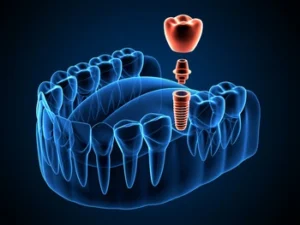 Immediate implant placement works best when:
- The tooth has been recently extracted
- The tooth socket is healthy
- There is enough natural bone to support the implant
- There is no severe bone loss
However, if the area shows significant bone loss or infection, a staged approach with a waiting period is safer.
Supporting Proper Healing After a Bone Graft
Helping your body heal well after grafting increases the likelihood of implant success. Simple habits can support bone growth and reduce the risk of complications.
Maintain Good Oral Hygiene
Keeping the mouth clean prevents bacteria from entering the surgical site and supports gum health.
Avoid Hard or Crunchy Foods
A soft diet protects the graft during the early stages of bone healing and reduces pressure on the surgical site.
Avoid Smoking
Smoking can reduce blood flow to the graft, increase the chance of graft failure, and slow bone formation.
Follow All Post Operative Instructions
Your dentist will give you specific instructions to support a smooth healing process. Following them closely leads to better long-term results.
When Is the Earliest Time an Implant Can Be Placed?
While healing often takes several months, some patients can have their implant placed earlier if the graft integrates quickly.
Early Implant Placement at Three to Four Months
If the graft is small, the patient has strong bone quality, and the body heals efficiently, implant placement may be possible around three to four months after the graft.
When Is the Maximum Time Between Bone Graft and Dental Implant?
Most patients aim to place their dental implant within six to twelve months after grafting. Beyond this period, bone resorption can gradually reduce the stability of the graft and increase the risk of requiring a second graft.
Recommended Maximum Timeframe
Many dentists consider twelve months to be the practical maximum time for most patients. After a year, the risk of bone shrinkage increases, especially in areas of previous significant bone loss.
Although some patients can still proceed after longer periods, your dentist will need to reassess the bone quality to ensure the graft remains strong enough to support implant placement.
Frequently Asked Questions
Can lifestyle habits affect how long I need to wait for my implant?
Yes. Smoking, poor diet, and inconsistent oral hygiene can slow healing and extend the waiting period. Healthy habits generally support faster recovery and reduce complications.
Is it painful to wait months between a bone graft and implant placement?
Most patients do not experience ongoing pain during the waiting period. Any postoperative discomfort usually occurs only in the early days after the bone graft. If you have persistent pain, you should contact your dentist, as it may indicate irritation or infection.
What if my graft does not integrate properly?
If the graft does not bond with your natural bone, your dentist may recommend additional procedures. These may include placing new graft material or adjusting your treatment plan to restore suitable bone volume before pursuing an implant.
Can I still get an implant many years after a bone graft?
It is sometimes possible, but not guaranteed. Over many years, the graft may shrink or lose density. Your dentist will need to reassess the area to determine if the bone remains strong enough or if a new graft is required.
Do different graft materials affect the maximum waiting time?
Yes. Some materials integrate more quickly than others. Your own bone often heals faster, while certain synthetic or donor materials may require more time before they reach adequate strength for implant placement.
Will I need special care during the waiting period?
Most patients only need to follow standard oral care habits, avoid putting pressure on the graft area, and keep routine appointments. Your dentist may provide additional instructions depending on the size and location of your graft.
Can an infection during the waiting period delay my implant?
Yes. Any infection in the area surrounding the graft can interfere with bone formation and delay implant placement. Early management is important to protect the graft.
Do age and general health affect how long I have to wait?
 Overall health, circulation, and immune function can influence healing speed. Older patients or those with certain medical conditions may require a slightly longer recovery time before moving ahead with implant placement.
Are there signs that I am ready for implant placement?
Patients often notice improved comfort and firmness around the grafted area, but these feelings alone are not enough. Imaging tests are the most reliable way to confirm that the bone is strong enough to support an implant safely.
Final Thoughts
Determining the maximum time between bone graft and dental implant is not a one-size-fits-all process. The ideal waiting period depends on your bone quality, healing progress, type of graft material, and overall oral health. While most patients fall within a three to nine-month timeline, the recommended maximum for many individuals is around one year to reduce the risk of bone resorption, graft failure, or implant complications.
With a personalised treatment plan, close monitoring, and proper healing, your grafted bone can provide a solid foundation for long-term implant success. If you are preparing for dental implant surgery or want to know whether your bone graft is ready for the next step, scheduling a dental implant consultation with Complete Dental ensures your treatment is safe, effective, and tailored to your needs.
- Coorparoo: 07 3801 6503
- Elanora: 07 5235 8199
Note: Any surgical or invasive procedure carries risks. Before proceeding, you should seek a second opinion from an appropriately qualified health practitioner.
References
ScienceDirect. (n.d.). Maxilla bone. Retrieved from https://www.sciencedirect.com/topics/agricultural-and-biological-sciences/maxilla-bone
Mayo Clinic. (n.d.). Dental implant surgery. Retrieved from https://www.mayoclinic.org/tests-procedures/dental-implant-surgery/about/pac-20384622
NHS. (n.d.). Take care of your teeth and gums. Retrieved from https://www.nhs.uk/live-well/healthy-teeth-and-gums/take-care-of-your-teeth-and-gums/
Healthline. (n.d.). Soft food diet. Retrieved from https://www.healthline.com/nutrition/soft-food-diet
Cleveland Clinic. (n.d.). Dental bone graft. Retrieved from https://my.clevelandclinic.org/health/treatments/21727-dental-bone-graft