









When a tooth has been lost for some time, the jawbone in that area can shrink. Bone naturally needs stimulation from teeth to maintain its shape. Without that support, changes can occur that affect future treatment, including dental implant treatment.
This is where a bone graft may be recommended. Understanding bone graft before and after changes helps patients feel more prepared for the process and recovery.
What Happens Before A Bone Graft
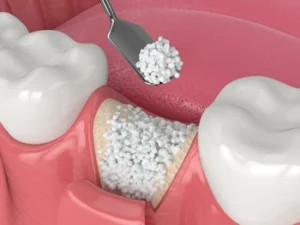 Before treatment begins, the dentist examines the jaw with detailed scans and imaging. Imaging allows the dentist to measure the extent of bone loss and decide if grafting is necessary.
During your appointment, the treatment plan will be explained in clear terms. The dentist will discuss:
- The condition of the gums
- The amount of bone remaining
- Whether implant surgery will follow
- Healing expectations
Bone graft before and after results vary depending on the patient, the size of the defect, and the body’s natural healing response.
Why A Bone Graft May Be Needed
After a tooth is extracted or lost due to trauma, infection, or decay, the surrounding bone can begin to reduce in volume. In some cases, the space left behind becomes thinner or weaker over time.
If there is not enough bone to support a dental implant, implant placement may not be possible straight away. A bone graft is used to rebuild and support the area so that an implant can be placed securely.
Bone graft treatment is commonly performed in the upper jaw, where the bone can be softer and more likely to shrink after a missing tooth.
How The Bone Graft Procedure Is Performed
A bone graft is a minor surgical procedure carried out in the mouth. It is usually performed under local anaesthetic, and in some cases, sedation may be offered.
During surgery, the dentist:
- Gently opens the gum tissue.
- Places bone graft material into the area where bone has been lost.
- Secures the graft and closes the gums.
The graft material is supposed to act as a scaffold. Over time, your body begins to regenerate new bone around it. This supports growth and strengthens the jaw for future implant treatment.
In some situations, grafting can be performed at the same time a tooth is extracted. In other cases, it is completed months later.
What To Expect Immediately After Surgery
After the procedure, some swelling and mild discomfort are normal. The body begins the healing process straight away.
Patients are usually advised to:
- Keep the area clean.
- Avoid putting pressure on the graft.
- Follow specific aftercare instructions.
Each patient may experience healing differently. Some people, whether male or female, notice minimal swelling, while others may have mild bruising. Recovery can vary depending on overall health and the size of the graft.
When Can A Dental Implant Be Placed?
Once the graft has healed, the dentist reassesses the area. If enough bone has formed, implant placement can move forward.
The implant is inserted into the jaw and allowed to heal. After further healing, a crown is attached to help restore normal chewing and appearance.
This staged approach ensures the implant has solid support and reduces the risk of complications.
Bone Graft Before And After Healing Changes
When looking at bone graft before and after healing, the main difference is bone volume and stability.
Before treatment, the jaw may appear thinner or uneven in the area of the missing tooth. There may not be enough support for a dental implant.
After healing, the graft integrates with the natural bone. The body works to regenerate new bone tissue, creating a stronger base for implant placement.
This process can take several months. During this time, the graft material gradually becomes part of the jaw structure.
Does Everyone Need A Bone Graft?
Not all patients require grafting. The need depends on several factors, including: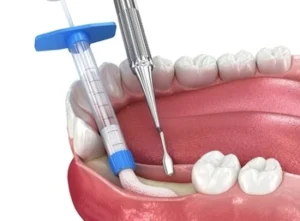
- How long has the tooth been missing
- The location in the jaw
- The cause of tooth loss
- The condition of the gums
For example, bone loss in the upper jaw may be more common due to bone structure. Trauma or infection can also increase the likelihood of needing graft treatment.
Your dentist will assess your specific situation before recommending surgery.
Long-Term Outlook After A Bone Graft
When healing progresses as expected, the graft provides strong support for a dental implant. The new implant helps maintain bone levels by stimulating the jaw during chewing.
Over time, this helps protect surrounding teeth and maintain facial structure. Without treatment, continued bone loss may affect both function and appearance.
Bone graft before and after improvements are often gradual but meaningful. The goal is not only to replace what was lost, but to restore long-term stability in a natural way.
Final Thoughts
 A bone graft is a carefully planned procedure used to rebuild bone that has been lost after a missing tooth, extraction, or trauma. While it involves surgery, it is performed with care and clear aftercare guidance so healing can progress steadily. Understanding bone graft before and after healing changes helps patients feel more informed about what to expect at each stage.
If you’re concerned about bone loss after a missing tooth, or unsure whether a bone graft is needed before implant placement, book a consultation with us at Complete Dental or get in touch at the location that suits you.
- Coorparoo: 07 3801 6503
- Elanora: 07 5235 8199
Note: Any surgical or invasive procedure carries risks. Before proceeding, you should seek a second opinion from an appropriately qualified health practitioner.
Resources
Mayo Clinic Staff (2024). ‘Dental Implant Surgery’. Mayo Clinic, 23 October. Rochester, MN: Mayo Clinic. https://www.mayoclinic.org/tests-procedures/dental-implant-surgery/about/pac-20384622
Cleveland Clinic (2024). ‘Dental Bone Graft’. Cleveland Clinic, 6 August. Cleveland, OH: Cleveland Clinic. https://my.clevelandclinic.org/health/treatments/21727-dental-bone-graft